



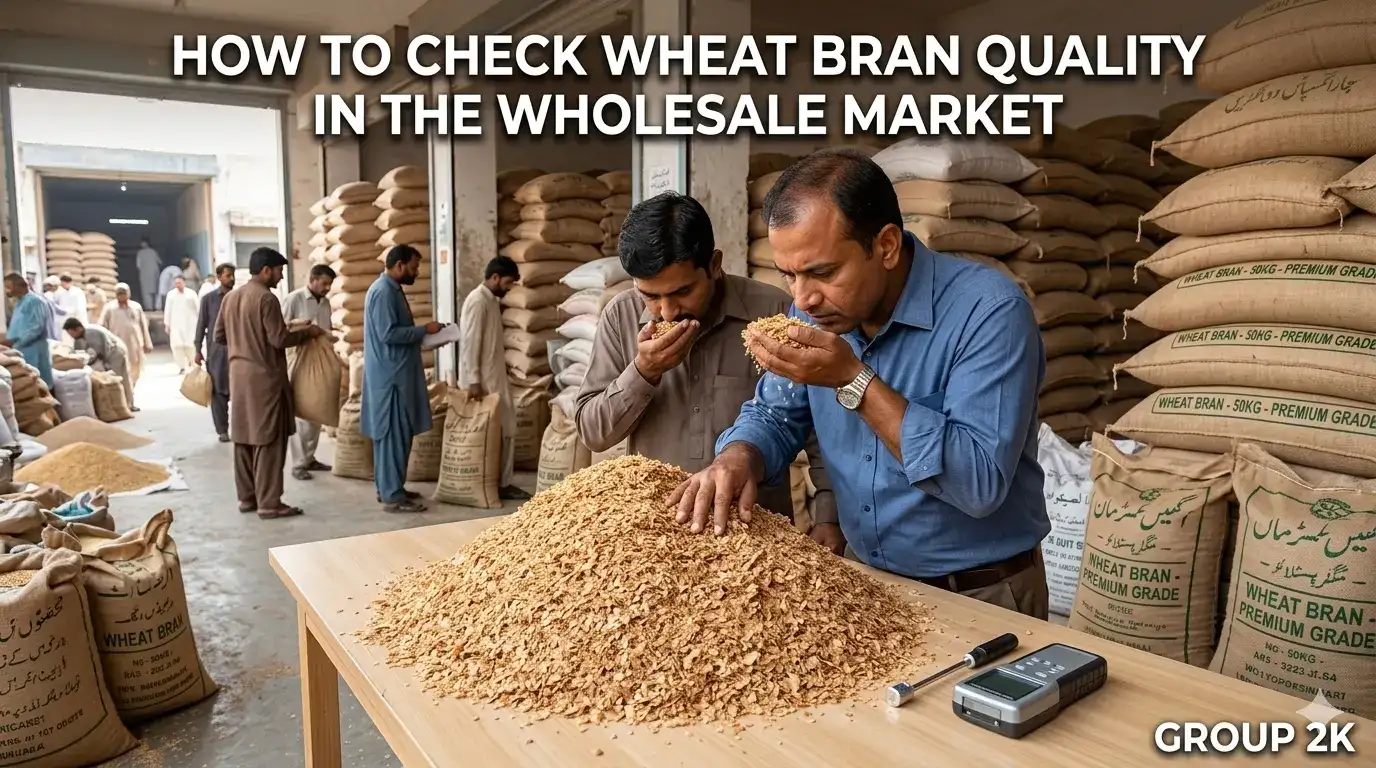
Buying wheat bran in bulk requires a very sharp eye because the quality of animal feed directly impacts livestock health and production. When you enter a wholesale market, you must focus on specific physical and chemical markers to ensure you get the best value for your money. Wheat bran is the hard outer layer of the wheat kernel which mills remove during the flour production process. High-quality bran must be dry, flaky, and free from any unpleasant odors. If you notice dark spots or a musty smell, it usually means the product has started to rot or contains dangerous toxins. Many buyers make the mistake of looking only at the price, but poor-quality bran can lead to massive losses in the long run.
To maintain high standards, you should always source your stock through a reliable wholesale wheat bran supplier who understands the nutritional needs of different animals. Following a professional wholesale wheat bran guide will help you identify the best milling batches and avoid common pitfalls like moisture damage or insect infestation in large warehouses.
|
No. |
Method Name |
Key Quality Indicator |
What to Watch Out For (Red Flags) |
|
1 |
Visual Color Inspection |
Light golden to reddish-brown |
Dark spots or grey discoloration |
|
2 |
Sensory Smell Test |
Fresh, sweet, grainy aroma |
Sour, musty, or moldy smell |
|
3 |
Physical Texture |
Dry, flaky, and coarse flakes |
Soft powder or sandy texture |
|
4 |
Live Infestation |
Clean surface with no movement |
Weevils (sursuri), larvae, or beetles |
|
5 |
Foreign Matter Search |
100% pure wheat bran |
Mud (mitti), stones, or wood pieces |
|
6 |
Moisture Assessment |
Free-flowing flakes |
Clumps (guthliyan) or sticky bran |
|
7 |
Mold Detection |
Clean flakes without patches |
White, green, or black fungal patches |
|
8 |
Dust & Fines |
Intact large flakes |
Excessive dust or tiny particles |
|
9 |
Packaging Integrity |
Strong, clean, and sealed bags |
Torn bags or water stains at the bottom |
|
10 |
Warehouse Audit |
Stock on pallets with ventilation |
Bags stored directly on damp floors |
|
11 |
Moisture Meter Test |
Ideal level below 12% |
Readings above 14% (risk of rot) |
|
12 |
Bulk Density |
Consistent weight-to-volume |
Unusually heavy or very light batches |
|
13 |
Crude Protein Test |
Range between 12% – 16% |
Levels below 12% (poor nutrition) |
|
14 |
Crude Fiber Analysis |
Range between 8% – 12% |
High husk content or flour mixing |
|
15 |
AIA (Ash) Test |
Very low sand and silica % |
High sand content (harmful for stomach) |
|
16 |
Aflatoxin Screening |
Lab-certified toxin-free |
Presence of dangerous fungal poisons |
|
17 |
Starch Purity Test |
Low starch (mostly outer layer) |
High starch (improper milling) |
|
18 |
Adulteration Test |
Pure bran floats/soaks slowly |
Rice husks or sawdust mixed inside |
|
19 |
Spec Sheet Review |
Valid Certificate of Analysis |
Supplier refusing to show lab reports |
|
20 |
Sampling Method |
Samples from front/middle/back |
Checking only the front bags |
The first thing you should do is look at the color of the wheat bran. High-quality bran usually has a light golden to reddish-brown appearance. This color shows that the wheat was healthy and processed correctly. If you see dark spots or any green or grey discoloration, you should be very careful. Discoloration is a big sign of spoilage. It means the bran has been exposed to bad weather or poor storage conditions. In the wholesale market, color consistency is an important entity. If one bag looks golden and the next looks dull or dark, the batch is not uniform. You want a product that looks bright and clean.
Your nose is a great tool for checking quality. Fresh wheat bran has a very distinct, grainy, and sweet aroma. It should smell like a clean flour mill. If you lean in and smell something sour, musty, or moldy, you must reject that stock immediately. A bad smell is a clear indicator of fungal growth. Fungi grow when the bran stays damp for too long. In a large market, some sellers might try to hide old stock at the bottom of a pile. Always smell samples from different bags to make sure the whole lot is fresh and safe for animals to eat.
Take a handful of the bran and feel it with your fingers. Good wheat bran feels dry and coarse. It should consist of large, thin flakes that break easily but do not turn into a fine powder instantly. If the bran feels soft or like regular flour, it means the milling process was not done right. Excessive powder or "fines" reduces the nutritional value for certain types of livestock. The texture relates directly to the fiber content. You want the flakes to stay intact during transport. If the texture is too sandy, there might be hidden dirt or silica mixed inside.
Insects love wheat bran because it is full of nutrients. You need to spread a small sample on a flat, white surface or a piece of paper. Look closely for any movement. Common pests include sursuri (weevils), larvae, or tiny beetles. Even if you do not see moving bugs, look for small webs or clumps. These are signs that insects have been living in the bran. Infestation spreads very fast in a wholesale warehouse. If one bag has bugs, the whole shipment might be at risk. Buying infested bran will ruin your entire storage area and harm the animals.
Wheat bran should only contain wheat bran. However, during harvesting and milling, sometimes other things get mixed in. You should sift through a sample to find mitti (soil), small stones, pieces of wood, or bits of plastic. Another common issue is excessive wheat husk, also known as phook. While husk is not toxic, it has almost no nutritional value compared to bran. If you find too much foreign matter, you are paying for weight that does not help the animals. Cleanliness is a key factor in determining the grade of the product in the market.
Moisture is the biggest enemy of dry feed. When you put your hand into a bag of wheat bran, it should feel free-flowing. The flakes should slip through your fingers easily. If you find guthliyan (clumps) or hard balls of bran, the moisture level is way too high. High moisture makes the product heavy, so you pay more for water weight. More importantly, wet bran starts to heat up internally. This heat leads to rapid spoilage and chemical breakdown. Always check the center of the bag where moisture usually hides.
Fungal contamination is a serious health risk for livestock. Look for white, green, or black patches on the surface of the bran flakes. These colorful patches are colonies of mold. Mold produces something called aflatoxin, which is a poison. Even a small amount of moldy bran can make a whole herd of cows or poultry very sick. If a warehouse smells like damp earth or looks dusty in a "smoky" way when you move the bags, fungus is likely present. Never compromise on this point, as safety is more important than price.
While wheat bran is a dry product, it should not be extremely dusty. If a cloud of dust rises every time you move a bag, the milling quality is poor. Excessive dust often comes from over-processing or handling the bags too roughly. These tiny particles, called fines, can cause respiratory issues for animals if they breathe them in while eating. In the wholesale market, a lot of dust also suggests that the bran is very old and has started to break down into powder. High-quality bran maintains its flake shape.
Before you buy, look at the bags themselves. The packaging protects the bran from the outside world. If the bags are torn or have holes, insects and moisture can get inside easily. Check the bottom of the bags for water stains. Sometimes bags sit on wet floors in the market, and the moisture seeps up into the product. Good suppliers use strong, woven polypropylene bags that are stitched tightly. If the packaging looks old or dirty, it is a sign that the supplier does not care about quality control.
Take a look around the place where the bran is stored. This tells you a lot about the quality. Professional wholesalers keep their stock on wooden or plastic pallets. They do not put the bags directly on the cold, damp ground. The warehouse should also have good ventilation with air moving through the space. If the storage area is dark, damp, and has no windows, the bran will lose its quality very quickly. A clean warehouse usually means the supplier follows good agricultural practices.
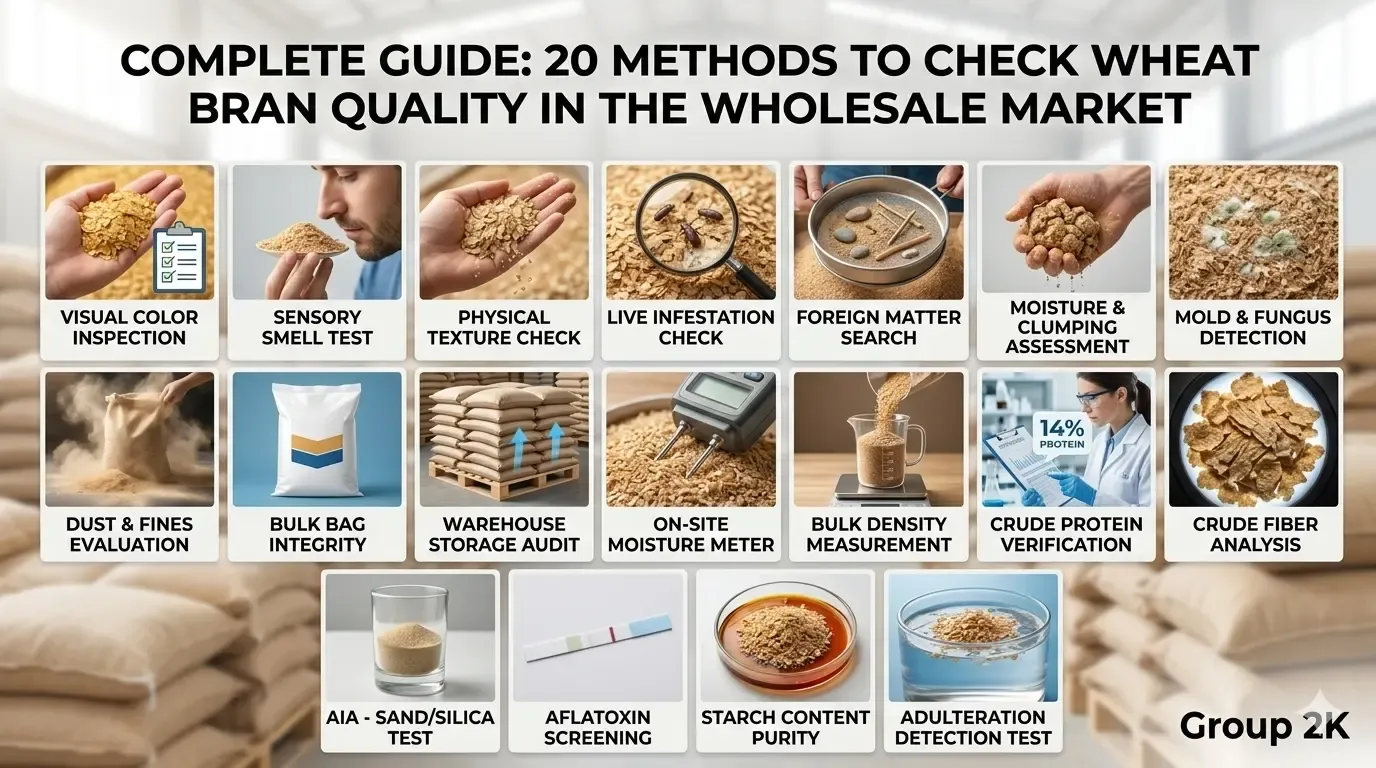
If you want to be very precise, use a portable moisture meter. This is a small tool with metal pins that you stick into the bran. It gives you a digital reading of the water content. For wheat bran, the ideal moisture level is usually below 12%. If the reading is 14% or 15%, the bran will likely rot within a few weeks. Using a meter removes the guesswork. It allows you to negotiate a better price if the moisture is slightly high or reject the batch if it is dangerous.
Bulk density refers to how much the bran weighs compared to how much space it takes up. You can test this by filling a standard container and weighing it. This test helps you see if the milling is consistent. If the bran is very light, it might have too many large, empty flakes. If it is very heavy, it might have too much flour or moisture. Consistent bulk density is important for farmers who use automatic feeding systems. It ensures the animals get the same amount of food every day.
Protein is the main reason people buy wheat bran for animal feed. You should ask the supplier for a lab report to check the crude protein level. For high-quality wheat bran, the protein should be between 12% and 16%. If the protein is lower than 12%, the bran is poor quality and won't help animals grow or produce milk. This nutritional entity is the core value of the product. Always check if the lab report matches the specific batch you are buying in the market.
Fiber is essential for the digestion of livestock like cows and goats. Wheat bran should have a crude fiber content between 8% and 12%. This fiber helps the animal's stomach work correctly. If the fiber is too low, the bran might be mixed with flour. If it is too high, it might be mixed with straw or husks. A lab test can confirm these numbers. Understanding the fiber profile helps you create a better diet plan for the animals.
This is a more technical test that looks for things that don't belong in the bran. Specifically, it measures sand and silica. Sometimes, dirt gets mixed with the wheat during the harvest on the farm. If the AIA level is high, it means the bran is "dirty." Animals can get stomach stones or other internal problems from eating too much sand. A low AIA percentage is a sign of a very clean and professional milling process.
Aflatoxins are invisible poisons created by mold. You cannot always see them with your eyes, so a lab test is necessary for big orders. These toxins are very dangerous and can even pass into the milk of cows, which then harms humans. In the wholesale market, large batches that stay in hot and humid conditions are at risk. Screening for mycotoxins ensures that the feed is 100% safe. Many international buyers require a certificate showing that the toxin levels are within safe limits.
Wheat bran is the outer shell, so it should not have a lot of starch. Starch is found in the white part of the wheat used for flour. If a lab test shows very high starch, it means the mill was not efficient. They left too much flour attached to the bran. While starch provides energy, it changes the nutritional balance of the feed. Buyers who want pure fiber prefer bran with lower starch levels. It shows the miller knows how to separate the layers of the grain perfectly.
Adulteration is when someone mixes a cheaper material into the wheat bran to make it heavier or more bulky. They might use ground rice husks, sawdust, or even sand. You can do a simple test by putting a small amount of bran in a glass of water. Pure bran will float or soak slowly. Heavy sand or stones will sink to the bottom immediately. Some chemicals can also be used to detect foreign grains. Always be suspicious if the price is much lower than the average market rate.
Every professional wholesaler should have a specification sheet or a Certificate of Analysis (COA). This document lists all the nutritional values like protein, moisture, and fiber. Read this paper carefully. Compare the numbers on the paper to the actual product you see in the bags. If the supplier refuses to show you a spec sheet, it is a red flag. A good supplier is proud of their quality and will provide all the paperwork you need to feel confident.
Do not just check the bag right at the door. You must take samples from the front, middle, and back of the storage area. Use a sampling probe, which is a long metal tube, to get bran from the center of the bags. Mix these samples together to get an "average" view of the whole batch. This is called representative sampling. It prevents you from being fooled by a few good bags placed at the front while the rest of the stock is bad quality.
Checking the quality of wheat bran involves a step-by-step process that looks at physical, sensory, and chemical factors. You start with the visual look, ensuring a golden-brown color and a flaky texture. You then use your sense of smell to detect any mold or sourness which indicates spoilage. Physical tests like checking for moisture clumps or live insects are vital to prevent bringing pests into your own storage.
Beyond what you can see, technical lab tests for protein levels, fiber content, and the presence of harmful toxins like aflatoxin provide the final proof of quality. It is also important to look at how the supplier stores the product on pallets in a ventilated warehouse. By combining these manual checks with laboratory reports and proper sampling methods, you can be sure that the feed you buy is safe, nutritious, and worth the investment. This detailed approach protects your livestock and ensures your business remains profitable in the competitive wholesale market.
Finding high-quality wheat bran in the wholesale market can be difficult and time-consuming. At Group 2K, we take this burden off your shoulders by verifying every batch before it reaches you. Our team performs all the essential quality checks mentioned in this guide to ensure you receive only premium, nutrient-rich wheat bran. Save your time and secure your livestock’s health by sourcing through us today.
1. Different Types of Wheat Bran Available in the Wholesale Market
2. How to Find the Best Wholesale Wheat Bran Market for Your Business
Every household on earth eventually replaces a refrigerator, a washing machine, or a hair styling
READ FULLA structural panel and a warehouse pallet come from the same raw material, yet they serve two com
READ FULLCold-climate households still need heat, and power plants across Europe and Asia still need renew
READ FULL